Precious Metal
Riverside Gold — Untreated Alluvial Nuggets and Flakes
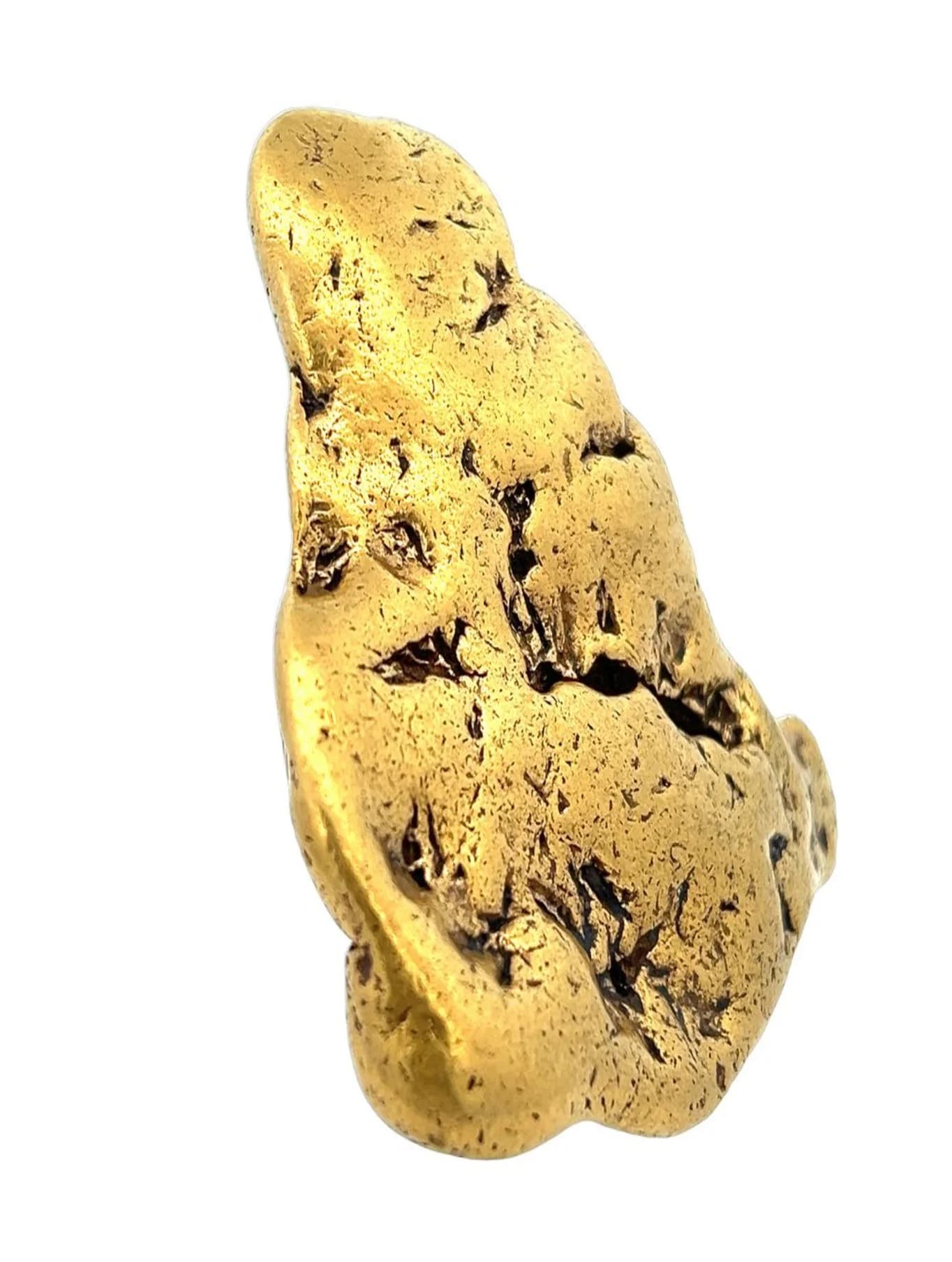
Naturally formed and ethically sourced from the glacial rivers of Gilgit-Baltistan, our Riverside Gold captures the untouched purity of alluvial deposits. These flakes and nuggets are raw, radiant, and rich in history.
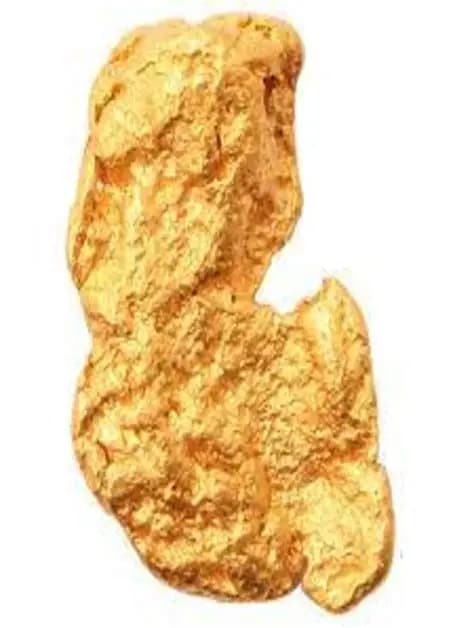
Gold from the Glacial Soul of the Himalayas
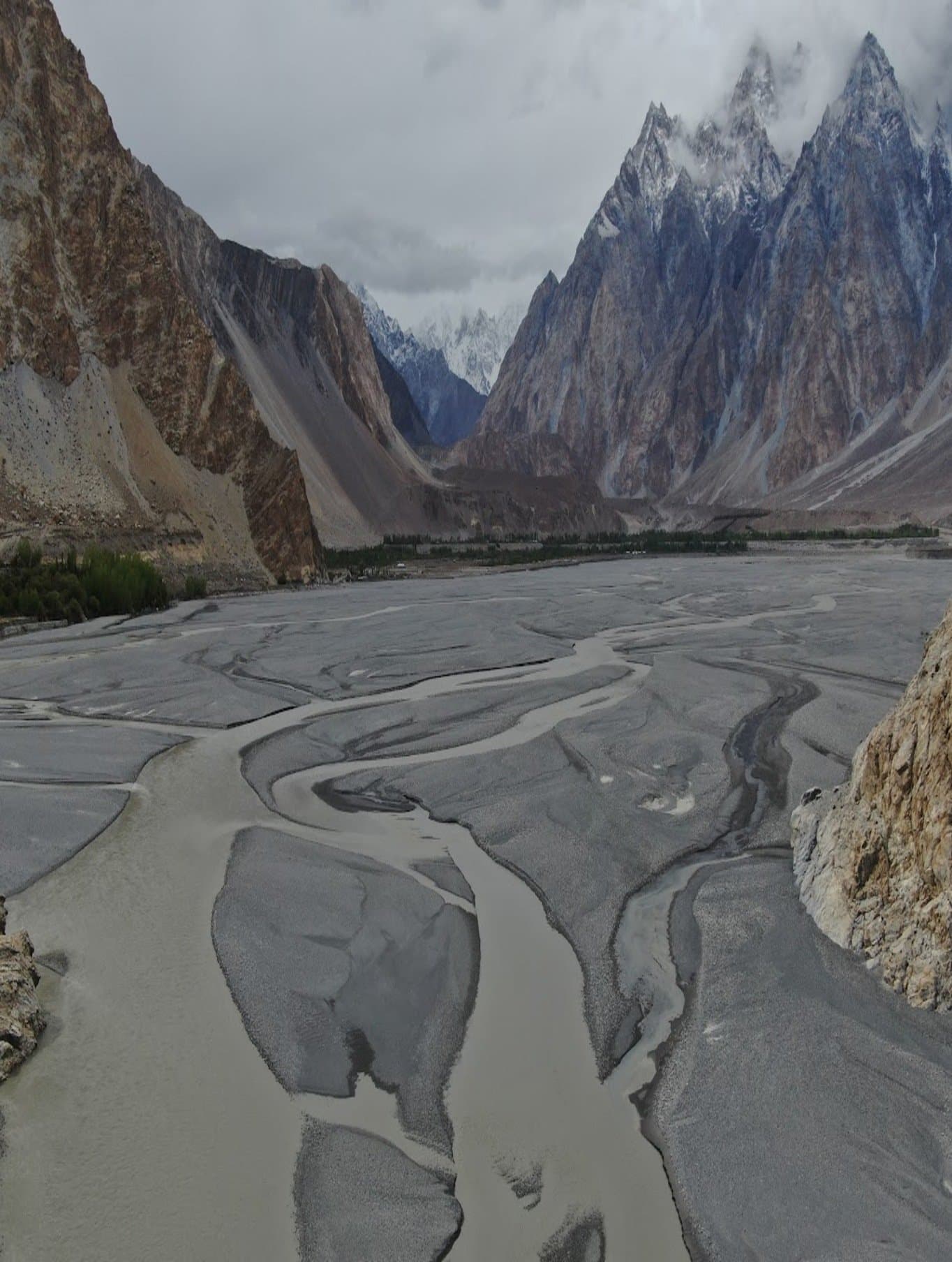
Sourced from the pristine, fast-flowing rivers of Gilgit-Baltistan, this alluvial gold is a remarkable testament to nature's slow, powerful artistry. As glaciers carve through ancient rock, they release minute particles of gold that settle into riverbeds — untouched by machinery, chemicals, or human alteration.
Gold owes its enduring value partly to simple chemistry: it is one of the least reactive metals known, resistant to tarnish, corrosion, and oxidation even after centuries buried in riverbed sediment. That same chemical inertness is why alluvial gold recovered today looks essentially the same as it did the moment it eroded free of its source rock — it has not degraded in the meantime, only traveled.
Panning works because of gold's exceptional density — at roughly 19.3 grams per cubic centimeter, it is about seven times denser than the quartz and other rock fragments it travels alongside. Swirled with water in a pan, lighter material washes away first while heavy gold settles to the bottom, the same principle miners have used, largely unchanged, for thousands of years.
Origin & Geology
Riverside Gold is formed through the erosion of gold-bearing rocks in the Himalayas, carried by meltwater into the rivers of regions like Hunza, Nagar, and Astore. These flakes and nuggets are typically found in fine sediments through traditional panning methods, often passed down through generations of local miners.
Gold recovered this way is called placer or alluvial gold, distinguishing it from lode gold still locked in its original vein. Natural placer gold is rarely 24-karat pure — it typically carries trace silver and sometimes copper picked up from the source rock, which is why specimens are usually described as 20–22K rather than pure gold; the exact proportion varies from one river system to the next depending on the geology it eroded from.
Ethical Sourcing
We work directly with indigenous gold gatherers from the Sonewal tribe and other local communities. By supporting traditional, chemical-free panning methods, we help preserve both cultural heritage and environmental integrity.
Significance & Uses
Riverside Gold is cherished for its purity, rarity, and natural origins.
- Collectors of raw, ethical gold specimens
- Jewelry designers seeking naturally shaped nuggets
- Investors interested in traceable, eco-conscious gold
Key Characteristics
- 01 — Color
- Rich, natural yellow with brilliant luster
- 02 — Form
- Uncut flakes and nuggets, sometimes crystalline
- 03 — Purity
- Typically 20K–22K natural gold content
- 04 — Hardness
- 2.5–3 on the Mohs scale
Frequently Asked Questions
- Alluvial (or placer) gold is gold that has eroded out of its original rock and been carried and deposited by rivers or glacial meltwater, typically found as flakes or nuggets in riverbed sediment rather than mined directly from rock.