Gemstone
Hunza Golden Topaz — Untreated Natural Crystal
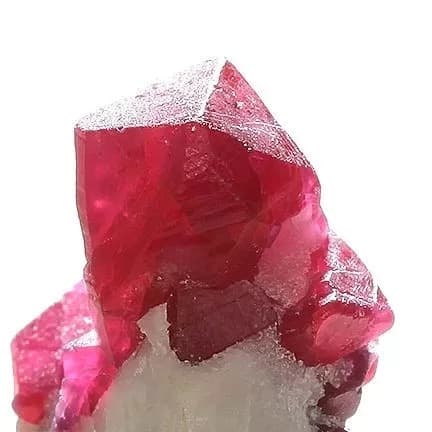
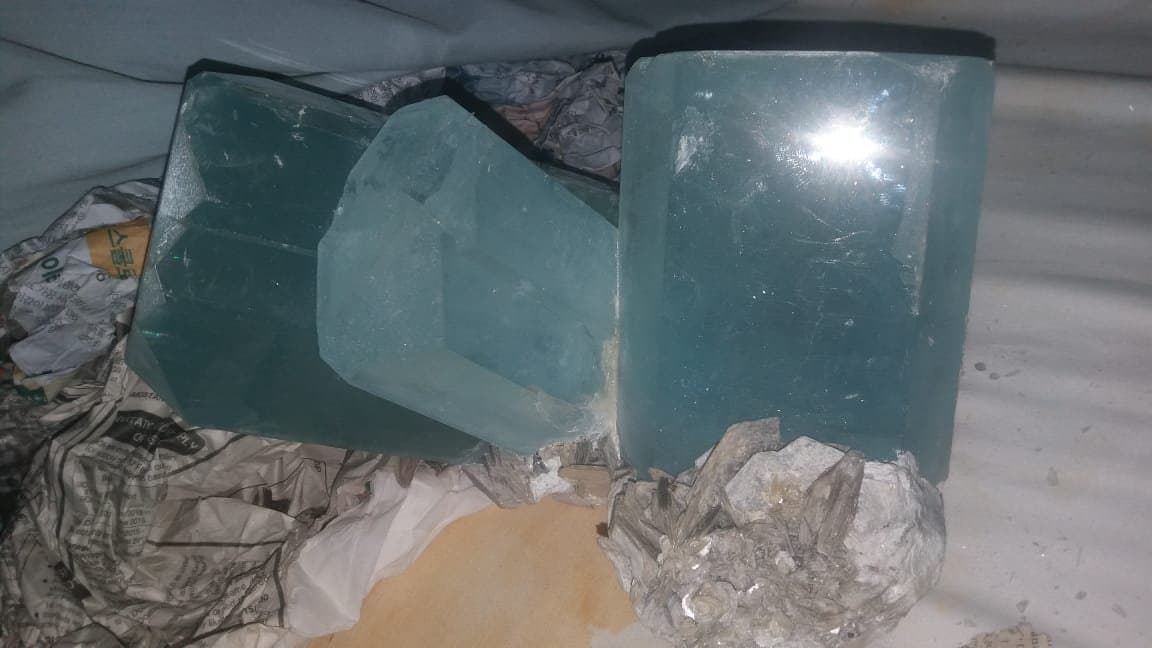
An eye-catching Golden Topaz specimen, naturally formed in the remote mineral belts of Gilgit-Baltistan. Its golden luster and impressive clarity make it a powerful representation of radiance and strength.
The Light Within Stone
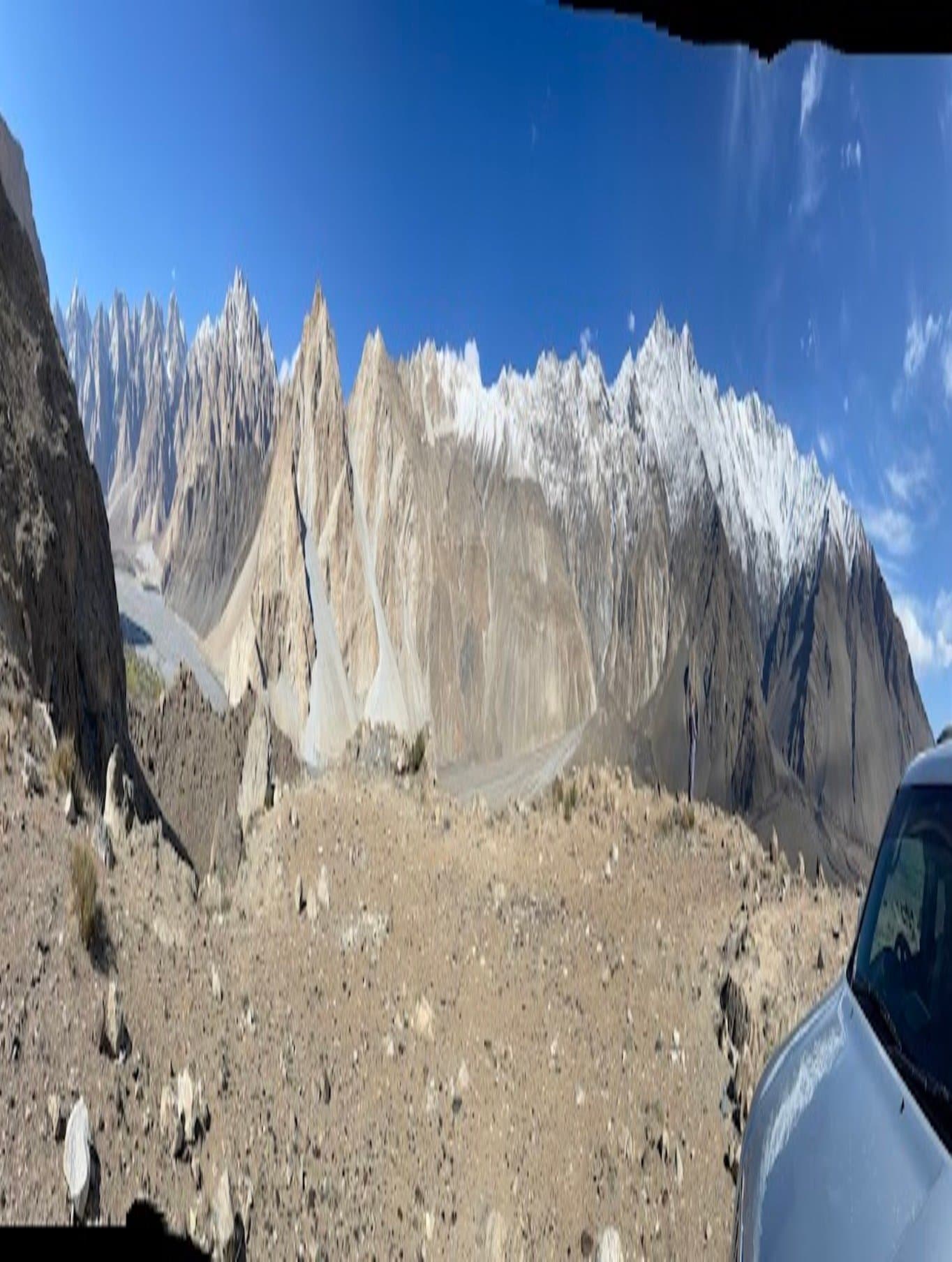
Harvested from high-elevation sites in Dassu and Testun, this rare Topaz reflects golden light in every angle. With a hardness of 8 and glass-like sparkle, it is as durable as it is beautiful — a stone of confidence, success, and personal power.
Topaz is a fluorine-aluminum silicate, and its name's origin is debated: one theory traces it to Topazios, the ancient Greek name for an island in the Red Sea (now Zabargad) — though that island's mines are now known to have produced peridot, not topaz, an early case of mineral misidentification that stuck. Naturally colored golden and "imperial" topaz — like this specimen — is considerably rarer than colorless topaz, which is the form most commonly found in nature.
Because hardness measures resistance to scratching rather than resistance to breaking, it's worth noting that topaz also has perfect basal cleavage — a plane of weakness within the crystal structure that can cause it to split cleanly if struck at the right angle. This makes careful handling and setting just as important as its impressive 8 on the Mohs scale.
Origin & Geology
This gem forms in cavities of granite and rhyolite, found in pegmatite-rich zones of northern Pakistan. Gilgit-Baltistan's deposits yield topaz of exceptional clarity and size, often found in champagne, golden, and icy white shades.
Topaz crystallizes from fluorine-bearing vapors and fluids released late in the cooling of a granite body, which is why it is so often found lining miarolitic cavities — gas pockets left behind as the surrounding rock solidified — alongside quartz, mica, and feldspar.
Ethical Sourcing
Our topaz is responsibly mined in collaboration with local miners from Testun and Net Tahirabad. Each crystal supports sustainable extraction and community welfare.
Significance & Uses
Known as a symbol of clarity and abundance, Golden Topaz enhances mental focus and attracts positive energy.
- Luxury gemstone collectors
- Spiritual healing practices
- High-value gold-toned jewelry
Key Characteristics
- 01 — Color
- Golden yellow to champagne
- 02 — Clarity
- Eye-clean to slightly included
- 03 — Hardness
- 8 on the Mohs scale
- 04 — Crystal System
- Orthorhombic
Frequently Asked Questions
- Natural golden and champagne topaz gets its color from trace element impurities and structural defects ("color centers") within the crystal lattice — unlike most blue topaz on the market, which starts as colorless stone and is artificially irradiated and heat-treated.
- No — despite similar golden coloring, they're different minerals. Topaz is an aluminum silicate with a Mohs hardness of 8, while citrine is a variety of quartz (silicon dioxide) with a hardness of 7, making topaz noticeably harder and denser.