Mineral
Himalayan Mica — Untreated Natural Cluster or Sheet
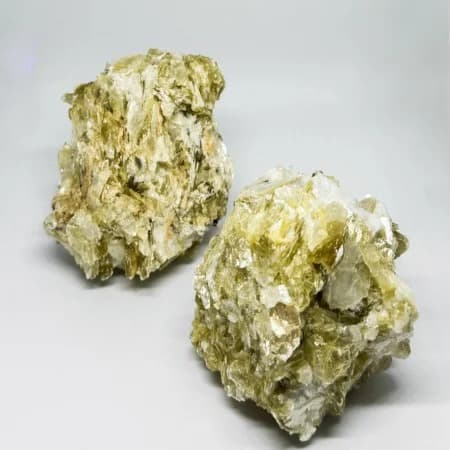
This natural Mica specimen from the pegmatite-rich regions of Gilgit-Baltistan showcases shimmering luster, layered formation, and the quiet strength of Earth's crystalline processes.
Shimmer from the Depths of the Mountains
Our Mica specimens are sourced from deep within the mineral veins of northern Pakistan, where immense geological pressure has given rise to flawless sheets and complex clusters. With their distinctive sparkle and silicate layering, these specimens are both scientifically intriguing and visually captivating.
The name "mica" comes from the Latin micare, "to shine" or "to glitter," a nod to the way its cleavage surfaces catch the light. Muscovite, the pale, silvery variety most associated with the name, is itself named after "Muscovy glass" — large, transparent sheets of this mica were once used in place of glass for windows in Russia (historically known as Muscovy) before flat glass became widely available.
Mica's usefulness extends well beyond decoration: its combination of heat resistance, electrical insulating properties, and ability to split into extremely thin, flexible sheets has made it valuable in electronics, cookware viewing windows, and — ground to a fine powder — as the natural shimmer in cosmetics and paints.
Origin & Geology
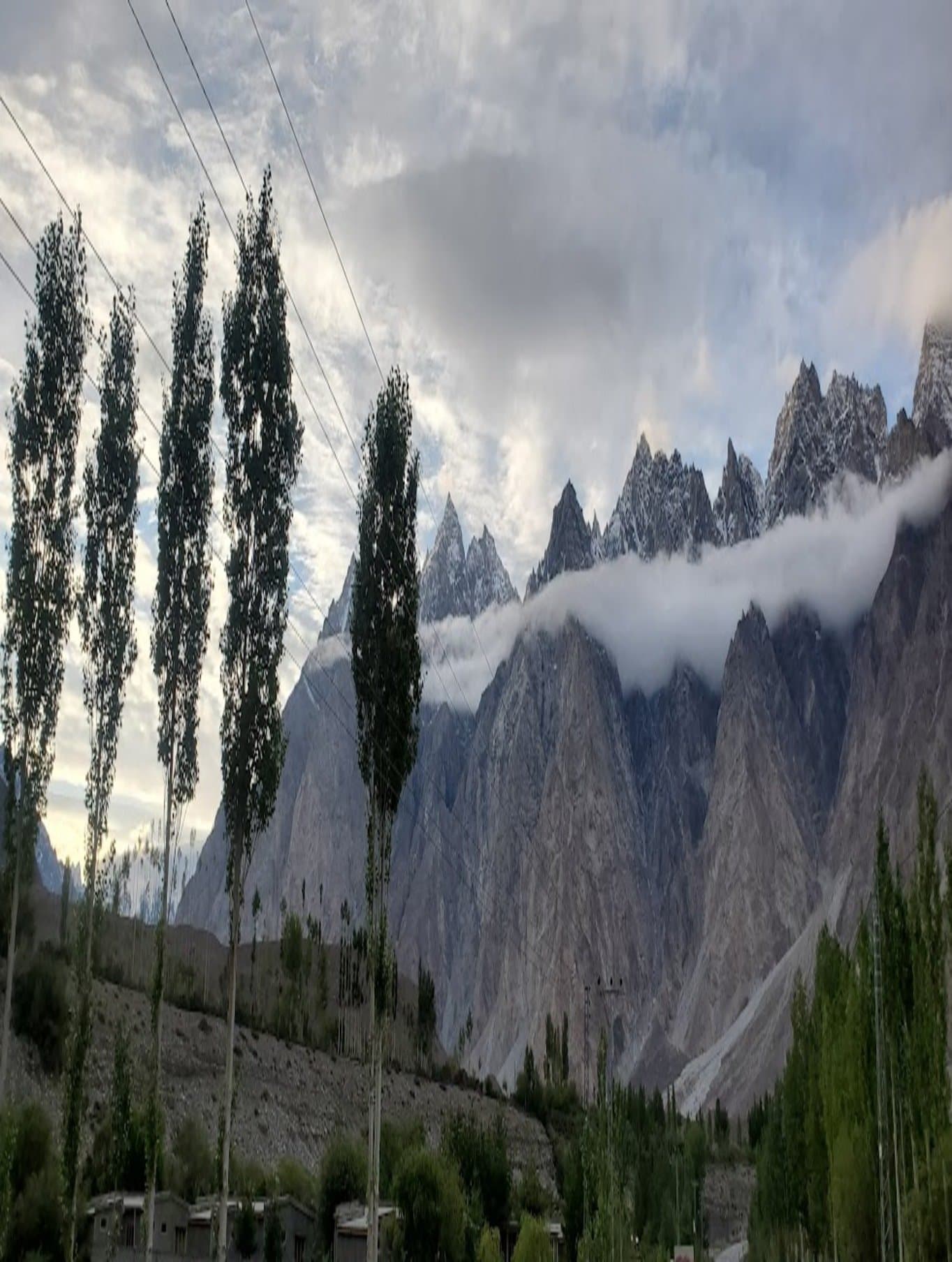
Found within pegmatite and metamorphic rock formations in areas such as Skardu and Astor, Mica forms over millions of years through the cooling of molten material under pressure. The region's unique geological makeup produces muscovite and biotite mica of exceptional purity and sheen.
Mica belongs to the phyllosilicate, or "sheet silicate," mineral family: individual silicate layers are strongly bonded internally but held to neighboring layers by much weaker forces. That structural mismatch is what gives mica its signature perfect cleavage, allowing a single crystal to be split, again and again, into sheets thin enough to be almost transparent.
Ethical Sourcing
At Hunza Minerals, we ensure that our mica is mined through low-impact, sustainable means by local workers using safe, manual techniques. This maintains the ecological balance and supports local communities.
Significance & Uses
Highly sought after for both educational and decorative purposes.
- Collectors interested in crystalline structures
- Educational geology kits and museums
- Artistic or spiritual displays emphasizing Earth elements
Key Characteristics
- 01 — Color
- Silver-gray (muscovite), dark brown to black (biotite)
- 02 — Structure
- Layered, sheet-like crystal growth
- 03 — Hardness
- 2–3 on the Mohs scale (muscovite–biotite)
- 04 — Transparency
- Transparent to opaque
Frequently Asked Questions
- Muscovite is a light-colored, potassium-aluminum mica that is nearly colorless to silvery in thin sheets, while biotite is an iron- and magnesium-rich mica that appears dark brown to black. Both share mica's characteristic sheet-like cleavage but differ in chemical composition and color.
- Mica belongs to the phyllosilicate ("sheet silicate") mineral group, in which strongly-bonded silicate layers are held to each other by much weaker ionic bonds. Those weak interlayer bonds are what let mica cleave into thin, flexible, almost transparent sheets.