Gemstone
Hunza Ruby — Untreated Natural Crystal
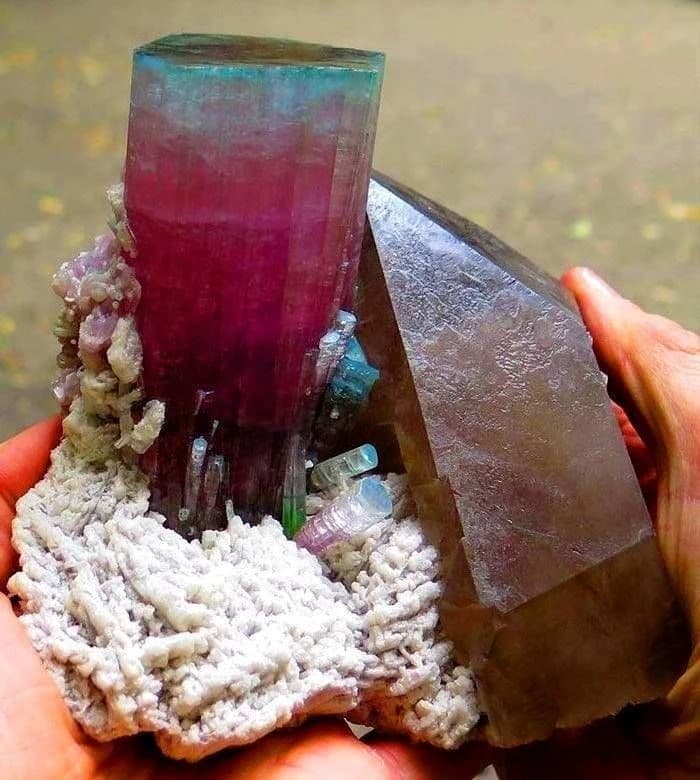
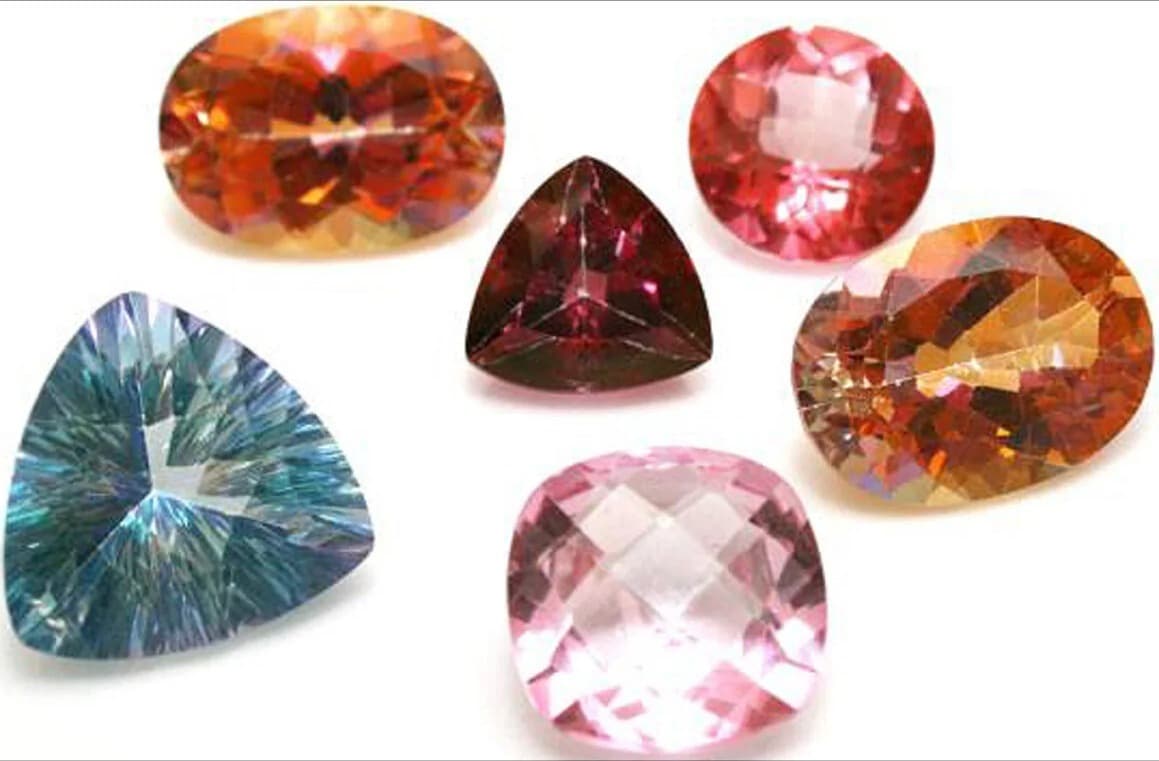
An exceptional, untreated natural Ruby crystal from the legendary Hunza Valley, Gilgit-Baltistan. Celebrated for its mesmerizing "pigeon's blood" red and remarkable clarity, this specimen is a collector's dream and a testament to the unparalleled beauty of Himalayan gemstones.
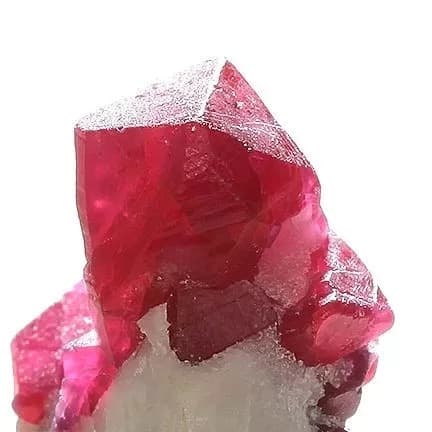
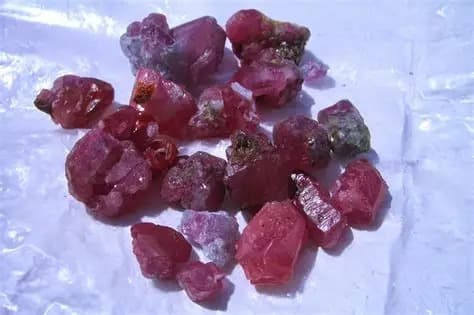
The Fire of the Himalayas
Discover the captivating allure of a genuine Hunza Ruby, ethically sourced from the high-altitude marble deposits of the Hunza Valley in Gilgit-Baltistan, Pakistan. For centuries, this region has been revered for producing some of the world's most beautiful and coveted rubies. Unlike many rubies on the market, our Hunza Rubies are natural and untreated, showcasing their inherent character as nature intended.
Ruby and sapphire are, mineralogically, the same species: corundum, a crystalline form of aluminum oxide. Trace chromium is what turns colorless corundum red — the more chromium present, the deeper the red — while corundum in any other color is classified as sapphire. That same chromium is also responsible for ruby's distinctive fluorescence: under ultraviolet light, and even in strong sunlight, fine rubies can glow with an extra warmth that jewelers call "the ruby's fire."
At 9 on the Mohs scale, ruby is the second-hardest natural mineral after diamond, making it exceptionally resistant to scratching and well suited to daily wear. Rubies have held a singular place in South and Southeast Asian culture for millennia; in Sanskrit texts the stone is called ratnaraj, "king of gems," a reflection of the value placed on its color and rarity long before modern gemology could explain its chemistry.
Origin & Geology
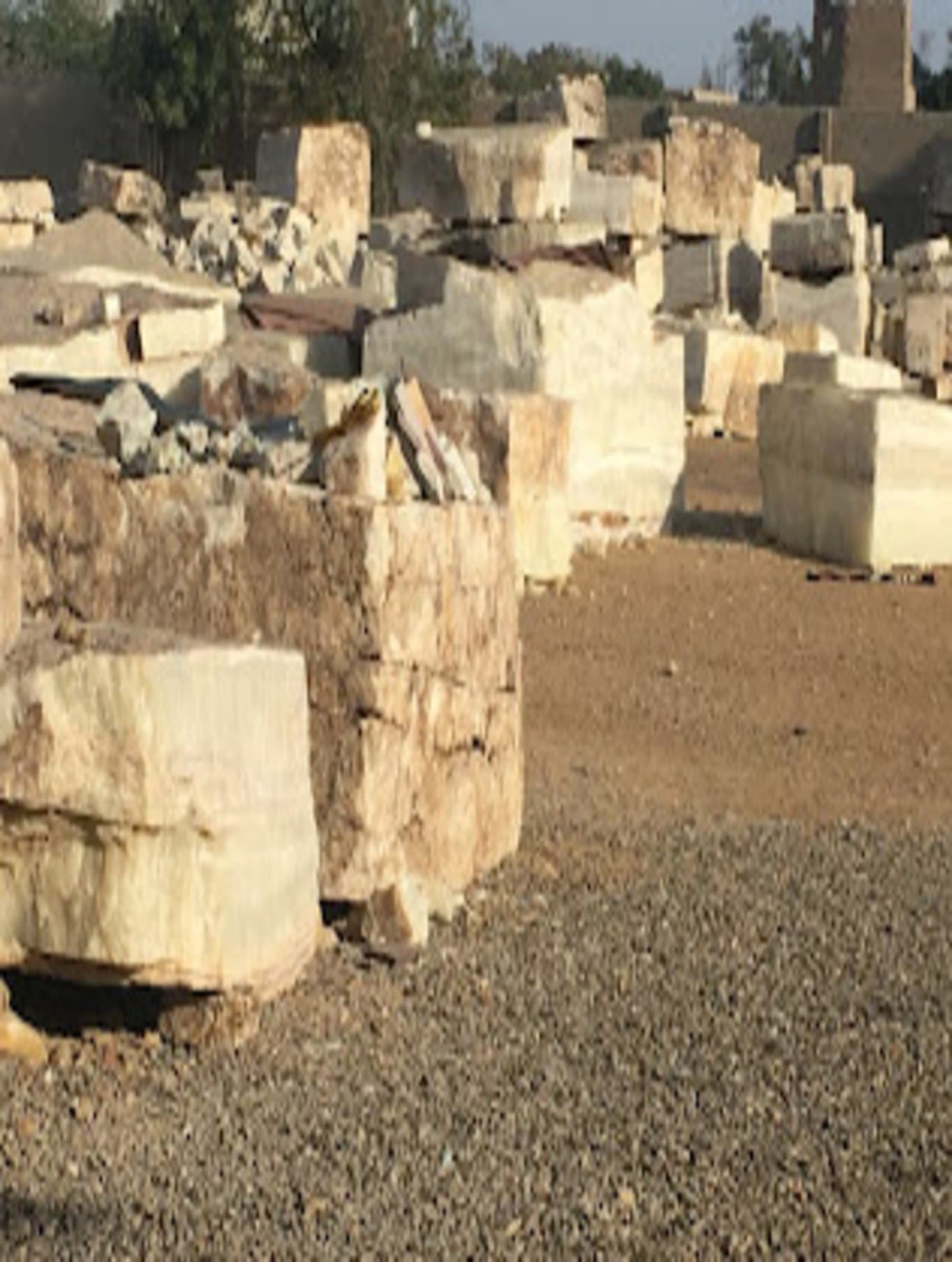
This exquisite ruby originates from the rugged terrain of the Hunza Valley, where intense geological pressure and unique mineral compositions have given rise to crystals of notable quality. Formed within metamorphic marble rocks, Hunza Rubies are often found alongside other rare minerals, a testament to the extreme forces that shaped them.
Marble-hosted ruby is a specific and relatively uncommon geological story: it requires an impure limestone rich in trace chromium and poor in iron (iron suppresses red fluorescence and dulls the color) to be swept into a mountain-building event and recrystallized under heat and pressure into marble. Iron-poor, chromium-bearing limestone is not common, which is part of why marble-hosted ruby deposits — shared by only a handful of localities worldwide — are so much rarer than the basalt-hosted rubies and sapphires found in many other parts of the world.
Ethical Sourcing
At Hunza Minerals, we pride ourselves on transparent and ethical sourcing practices. This Ruby was obtained directly from local miners in the Hunza Valley, ensuring fair compensation and supporting their traditional livelihoods.
Significance & Uses
A symbol of passion, prosperity, and protection, the Ruby has been cherished across cultures for millennia.
- Rare gemstone collectors
- High-end jewelry settings
- Ethical investment in untreated gems
Key Characteristics
- 01 — Color
- Deep, vibrant "pigeon's blood" red
- 02 — Clarity
- Excellent, with natural inclusions
- 03 — Hardness
- 9 on the Mohs scale
- 04 — Crystal System
- Trigonal
Frequently Asked Questions
- "Pigeon's blood" describes an intensely saturated red with a faint blue-purple undertone, prized in rubies formed within marble host rock — the same geological setting found in the Hunza Valley.