Gemstone
Chumar Bakhoor Aquamarine
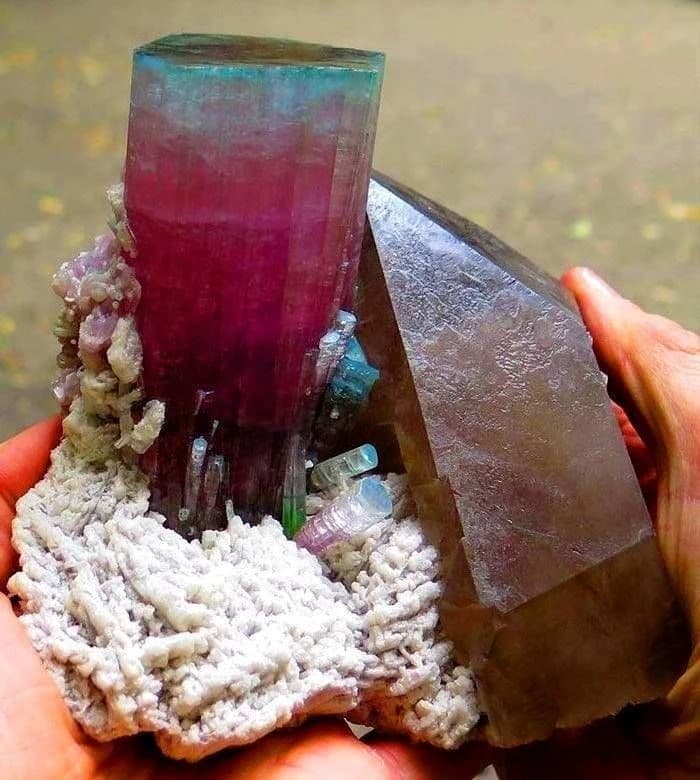
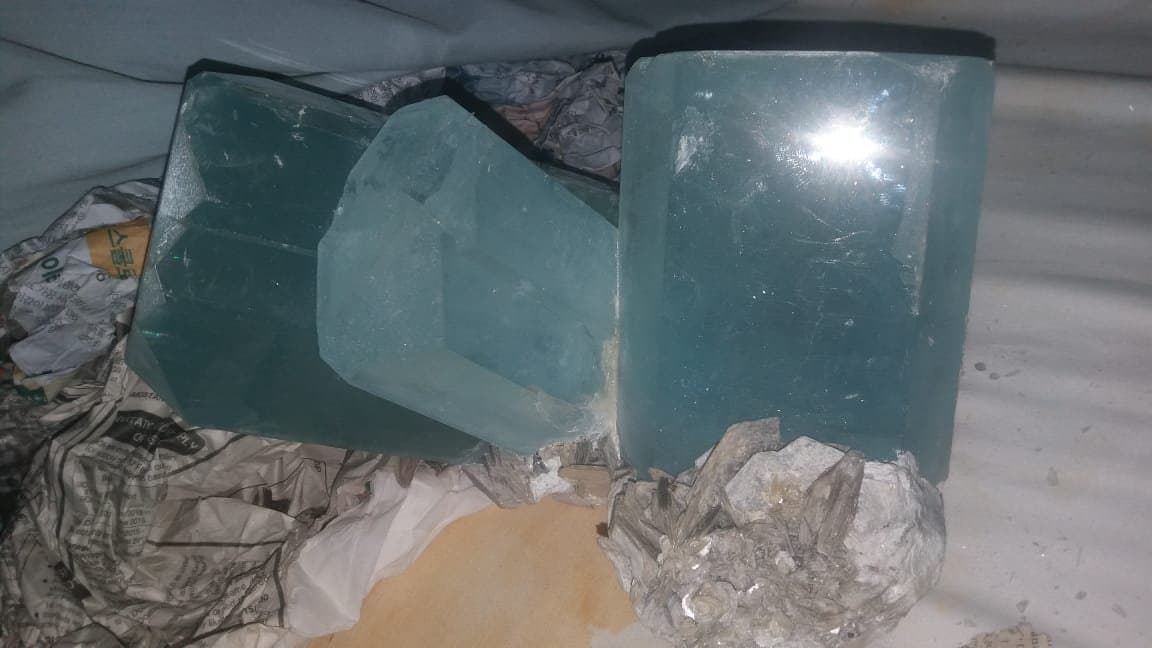
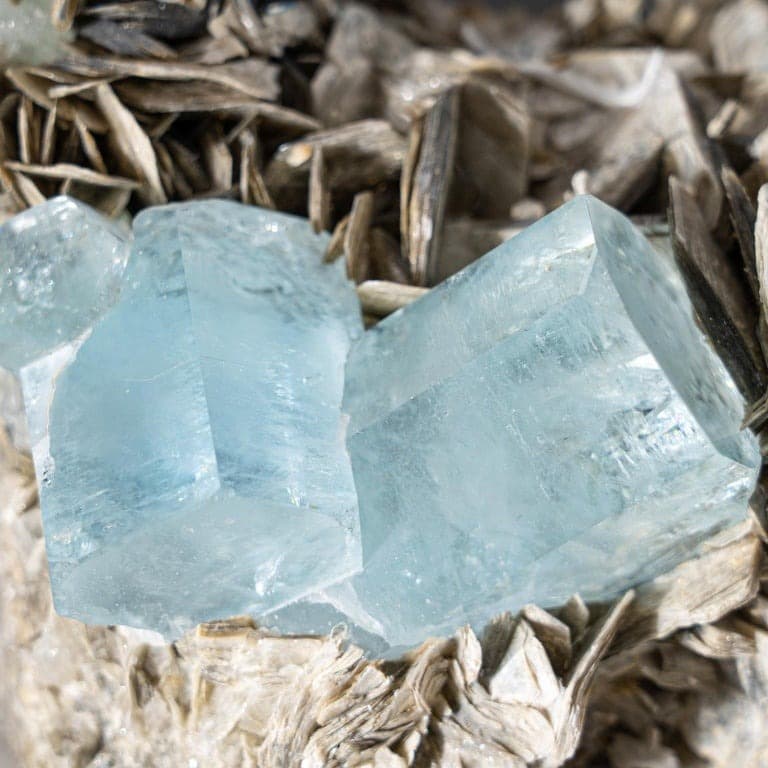
A pristine, untreated Aquamarine crystal sourced from the legendary Chumar Bakhoor mines of Nagar, Gilgit-Baltistan. Known for its tranquil sea-blue hues and exceptional clarity, this rare gem is a peaceful treasure from the high-altitude Himalayas.
The Serenity of the Peaks
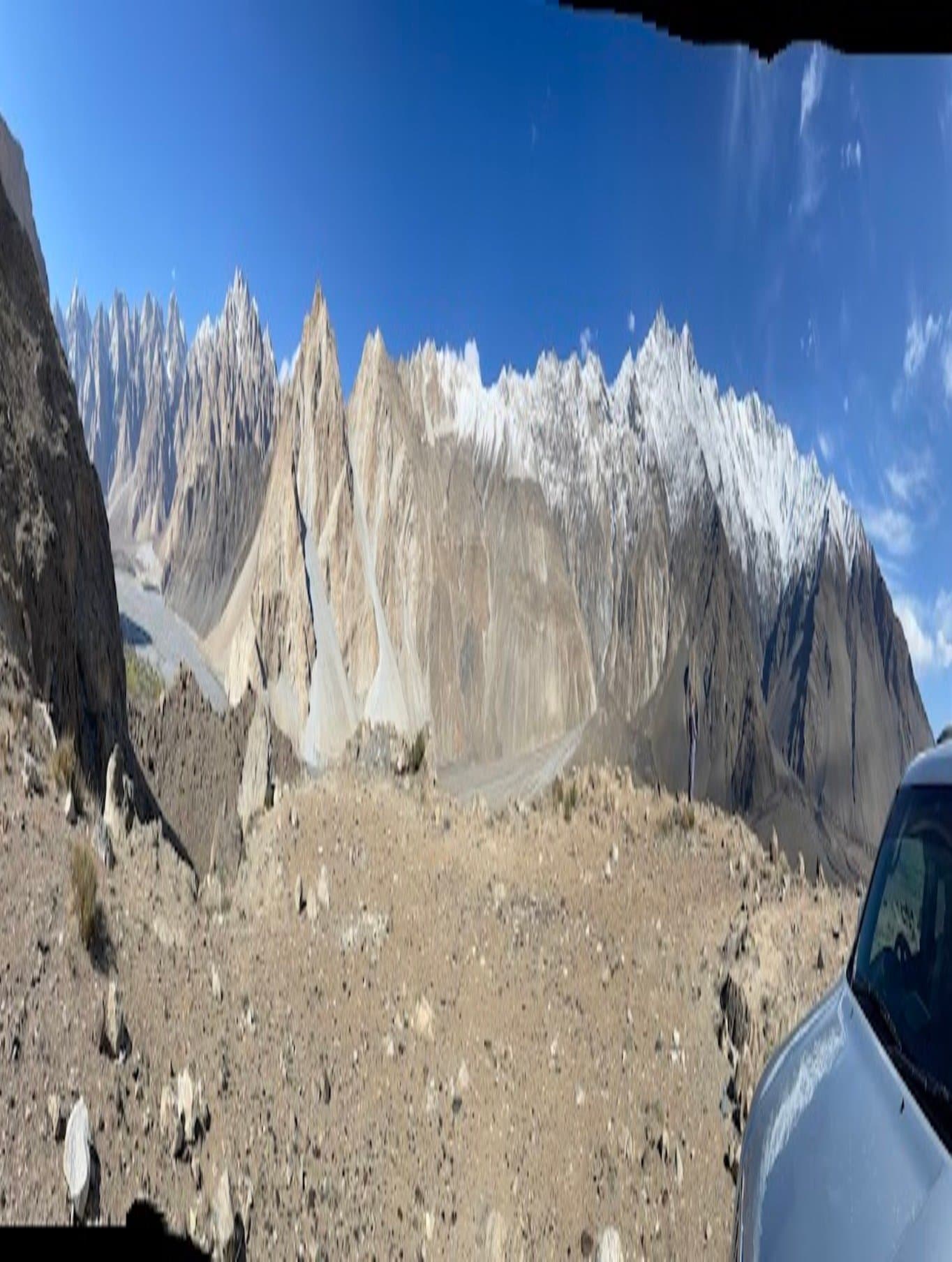
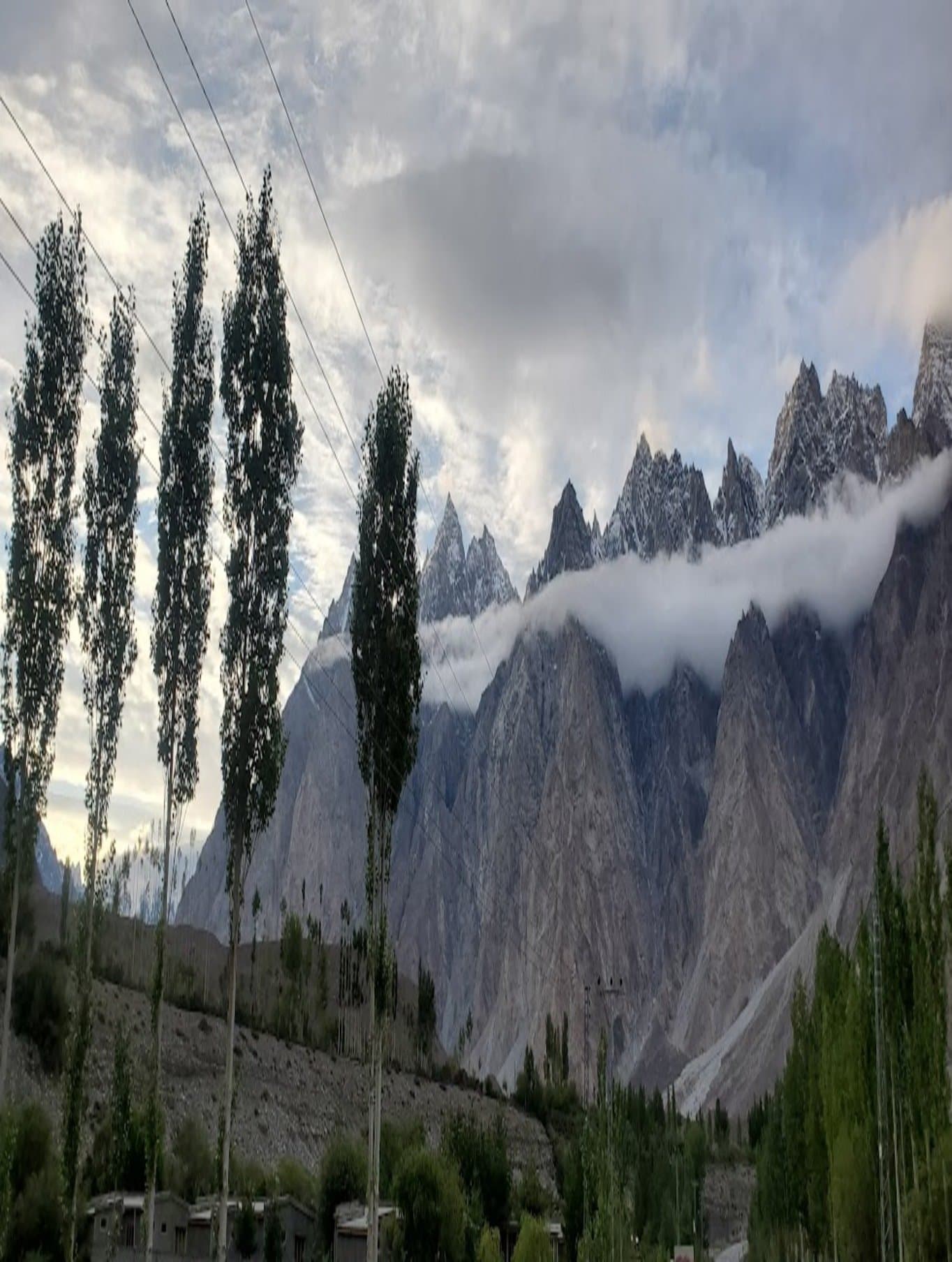
This rare Aquamarine is a calming embodiment of nature's elegance, ethically mined from the high-altitude Chumar Bakhoor region. Its oceanic blue shades reflect the glacial purity of Gilgit-Baltistan's majestic peaks, offering a timeless gemstone for collectors and creators alike.
The name "aquamarine" comes from the Latin aqua marina, "water of the sea" — a fitting description for a stone whose color ranges from pale sky blue to a deeper blue-green. Aquamarine is a variety of the mineral beryl, the same species that produces emerald (colored green by chromium and vanadium) and pink morganite (colored by manganese); in aquamarine, trace amounts of iron are responsible for its signature blue.
Aquamarine typically forms as long, six-sided prismatic crystals and is prized for exceptional clarity — it is one of the few gemstones commonly found eye-clean in large sizes. Fine specimens can show faint pleochroism, appearing slightly more colorless or blue depending on the viewing angle, and often contain characteristic thin, hollow growth-tube inclusions that gemologists nickname "rain."
Origin & Geology
Formed within pegmatite veins deep in the Himalayan mountains, these aquamarines develop under unique geological pressure and cooling conditions. The Chumar Bakhoor mine is internationally renowned for producing highly transparent, sizable crystals with vivid blue-green coloration.
Pegmatites form from the last, most water-rich portion of a cooling granite magma — a residual fluid enriched in elements like beryllium, boron, and lithium that struggle to fit into the crystal structures of ordinary rock-forming minerals. Because this fluid stays molten longer and moves more freely than the surrounding rock, it allows individual crystals to grow slowly and to a much larger size than they could in typical granite, which is why gem-quality beryl is found almost exclusively in pegmatite settings like Chumar Bakhoor.
Ethical Sourcing
Sourced directly from local miners in Nagar District, we ensure that every piece supports ethical mining practices and uplifts the community. No chemical treatments, no middlemen — only pure, natural beauty.
Significance & Uses
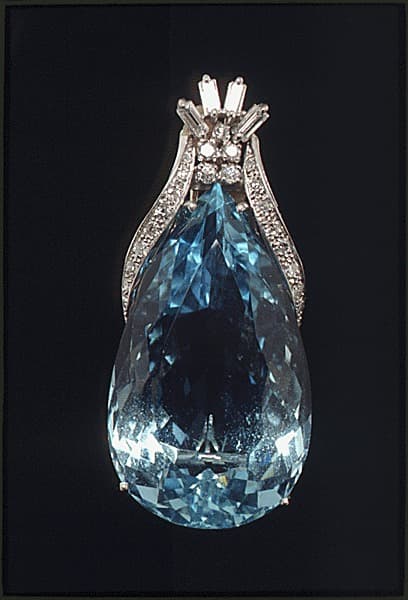
Symbolizing tranquility, courage, and clear communication, Aquamarine is highly valued by healers, jewelers, and collectors.
- High-end jewelry design
- Healing and crystal-energy collections
- Ethical investment in rare natural gemstones
Key Characteristics
- 01 — Color
- Light to medium blue with hints of sea green
- 02 — Clarity
- Excellent transparency with minimal inclusions
- 03 — Hardness
- 7.5–8 on the Mohs scale
- 04 — Crystal System
- Hexagonal
Frequently Asked Questions
- Aquamarine is a blue-to-blue-green variety of the mineral beryl. Its color comes from trace amounts of iron within the crystal structure, and it typically forms in pegmatite veins.
- Our aquamarine is sourced from the Chumar Bakhoor mines in Nagar District, Gilgit-Baltistan — a locality internationally recognized for transparent, vividly colored aquamarine crystals.