Gemstone
Hunza Tourmaline — Natural Crystal Specimen
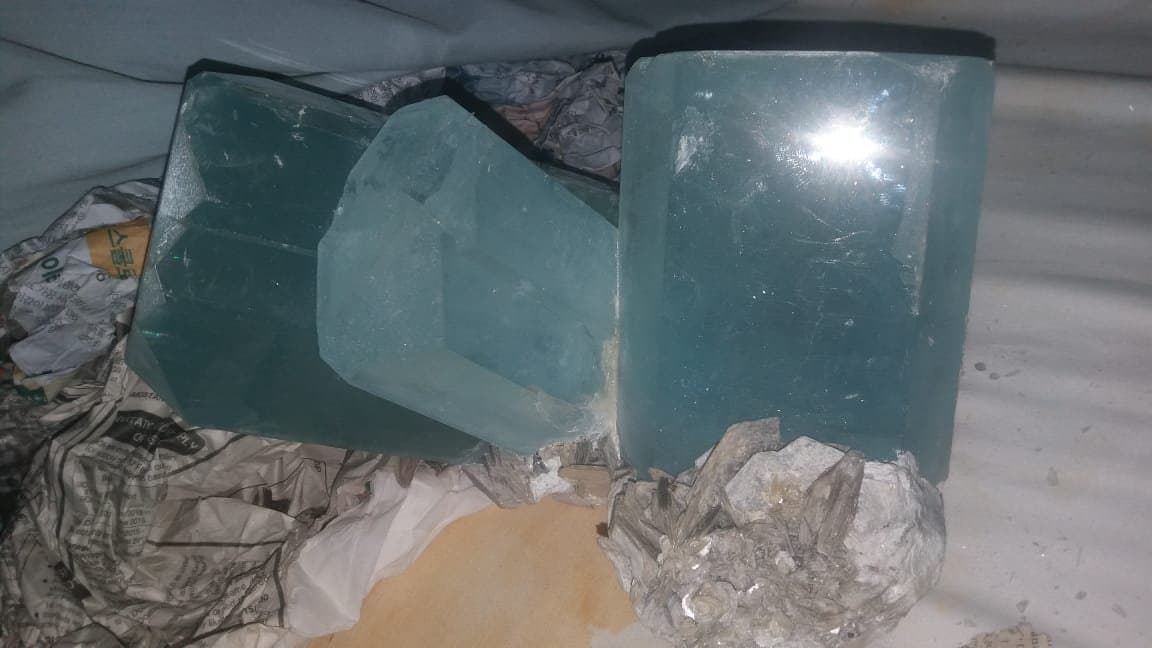
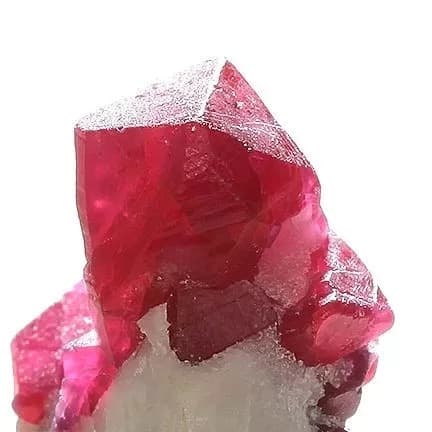
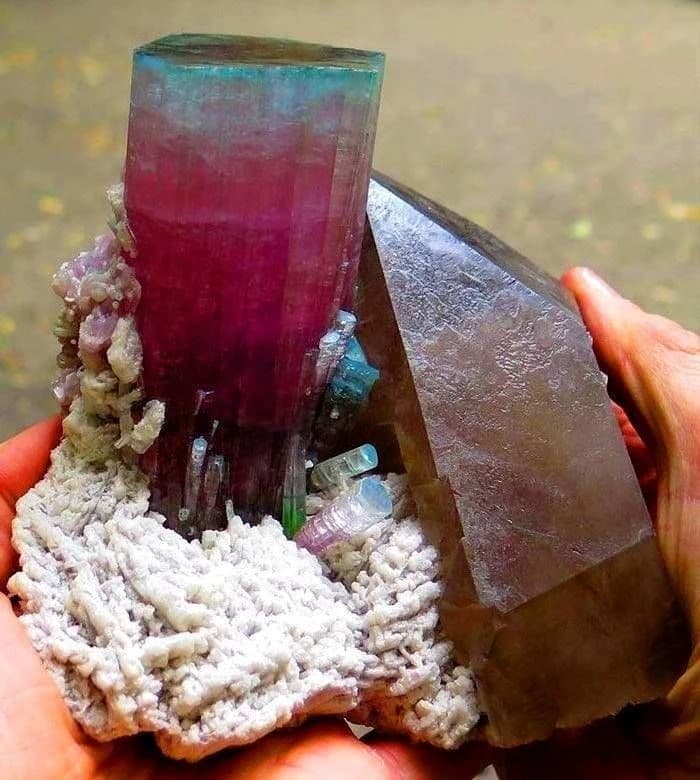
A breathtaking multi-colored Tourmaline specimen from the scenic valleys of Hunza and Skardu. Bursting with vibrant natural hues, this untreated piece is a testament to the Earth's colorful artistry.
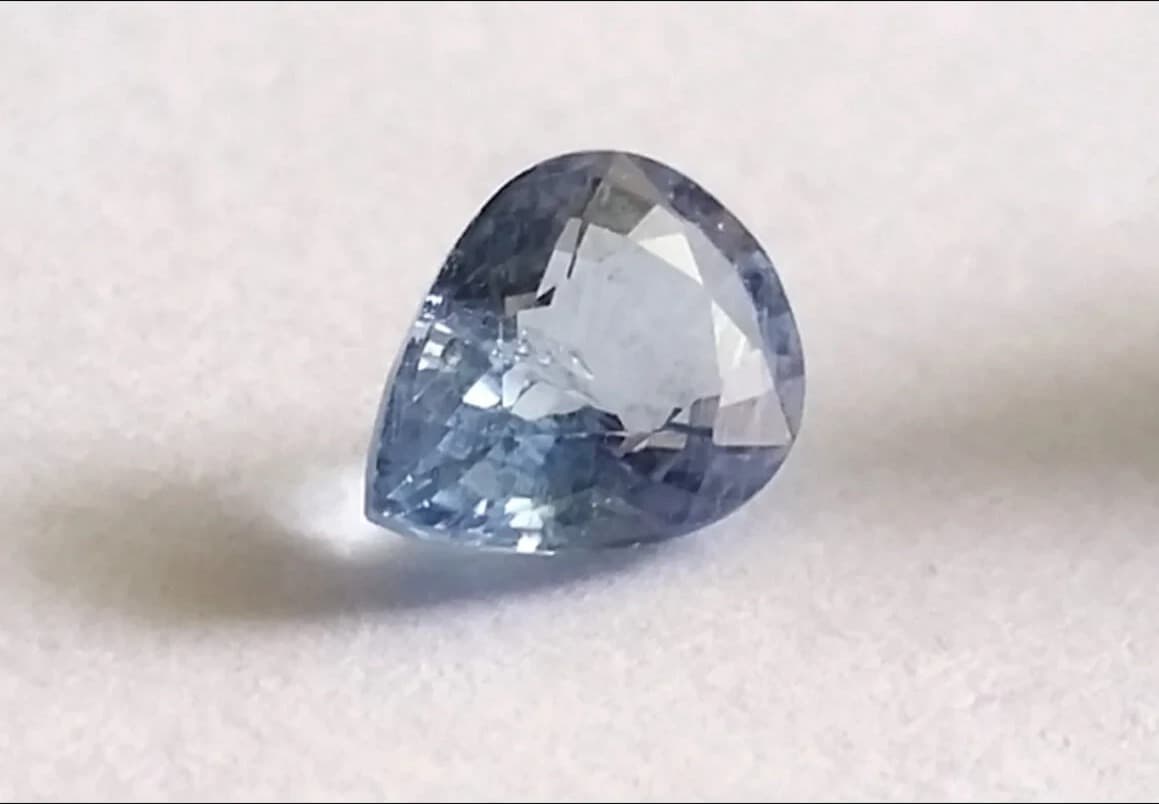
Nature's Palette in Stone
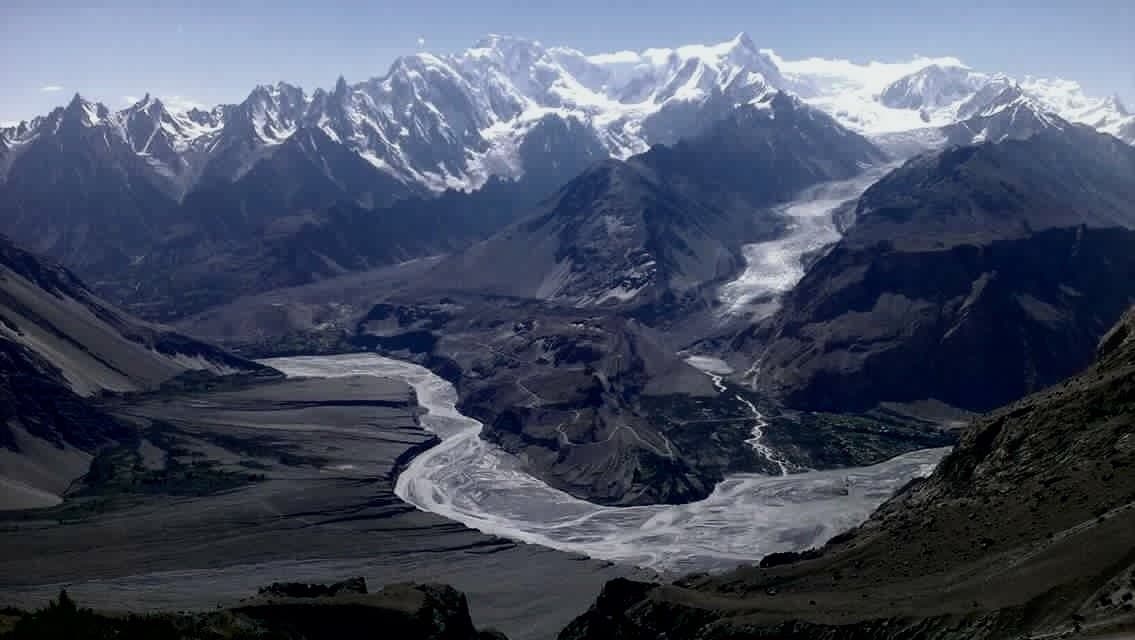
Sourced from the dynamic geological zones of Gilgit-Baltistan, our natural Tourmalines showcase a dazzling array of colors — from pinks and greens to bi-color combinations. Each crystal is uniquely shaped by Himalayan pressures and enriched by rare mineral compositions.
"Tourmaline" is not a single mineral but a supergroup of chemically related species — over thirty are currently recognized — that share the same basic crystal structure while varying widely in composition. Gem-quality tourmaline is almost always elbaite, the lithium-rich member of the group; the name itself is thought to derive from the Sinhalese word "thoramalli," used by Dutch gem traders in 18th-century Sri Lanka for mixed-color stones they couldn't otherwise identify.
One of tourmaline's more unusual traits is that it is both pyroelectric and piezoelectric: a crystal develops a small electric charge when heated or squeezed, enough to attract dust and ash. 18th-century Dutch traders reportedly used heated tourmaline crystals to pull ash from meerschaum pipes, nicknaming the stone "aschentrekker" — the ash-puller.
Origin & Geology
Tourmaline forms in igneous and metamorphic environments and is abundant in the pegmatite veins of Skardu, Shigar, and Hunza. These regions produce tourmalines with distinct zoning, saturated colors, and excellent structural integrity.
Color zoning — bands or layers of different color within a single crystal — is common in tourmaline because its structure can accommodate a wide range of substituting elements as the surrounding fluid chemistry shifts during crystal growth. This is what produces the famous "watermelon" tourmaline, with a pink core and green rind, as well as bi-color crystals that shift gradually from one hue to another along their length.
Ethical Sourcing
Directly procured through long-standing partnerships with local miners, we ensure ethical trade, community support, and complete traceability of each tourmaline crystal.
Significance & Uses
Tourmaline is prized for its metaphysical properties, symbolizing creativity, protection, and emotional balance.
- Statement jewelry pieces
- Collector's display
- Chakra healing and energy work
Key Characteristics
- 01 — Color
- Pink, green, watermelon, or mixed shades
- 02 — Clarity
- Varies from transparent to translucent
- 03 — Hardness
- 7–7.5 on the Mohs scale
- 04 — Crystal System
- Trigonal
Frequently Asked Questions
- Tourmaline's color range comes from variations in its chemical composition — trace elements such as iron, manganese, and chromium produce its greens, pinks, and multi-color "watermelon" zoning.