Mineral Formation
Understanding Mineral Formations in Hunza Valley
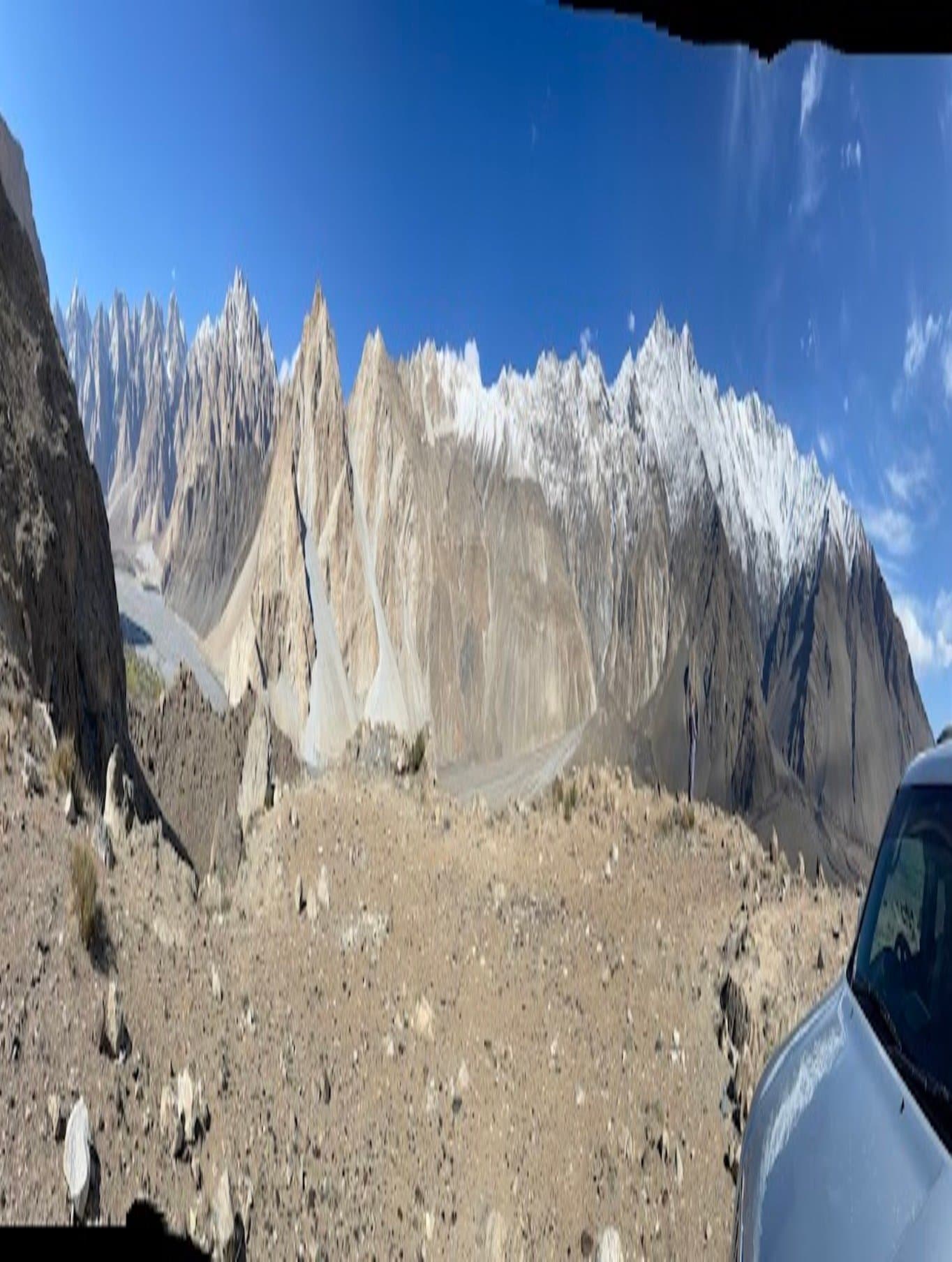
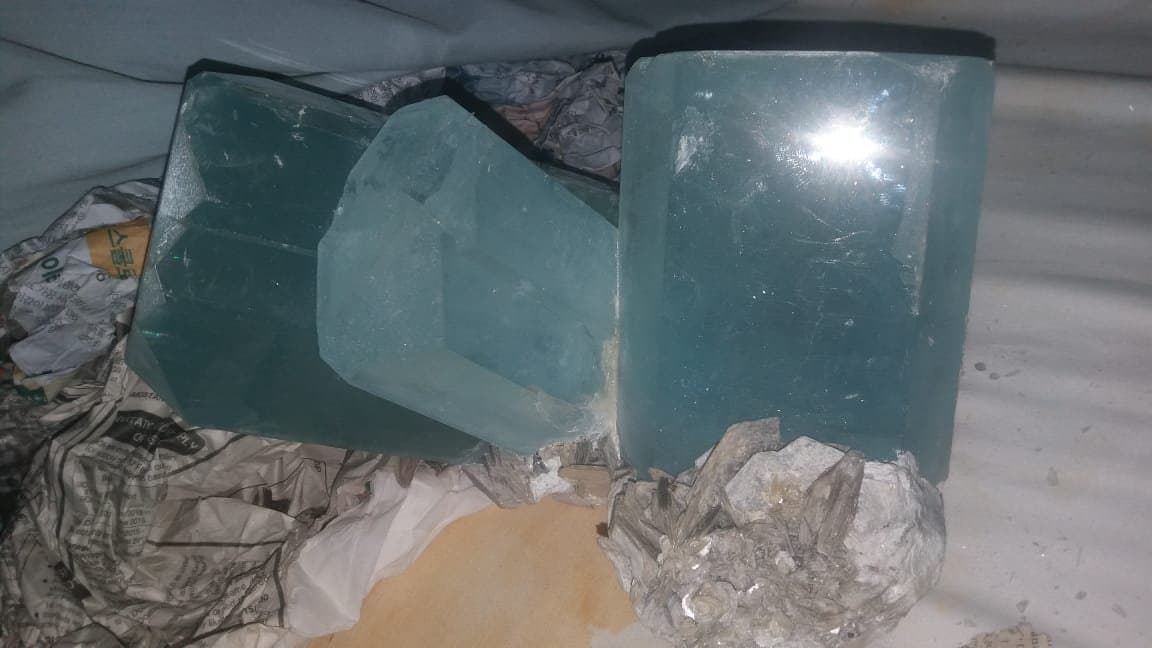
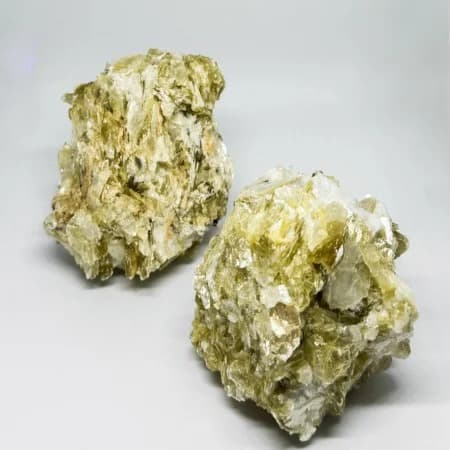
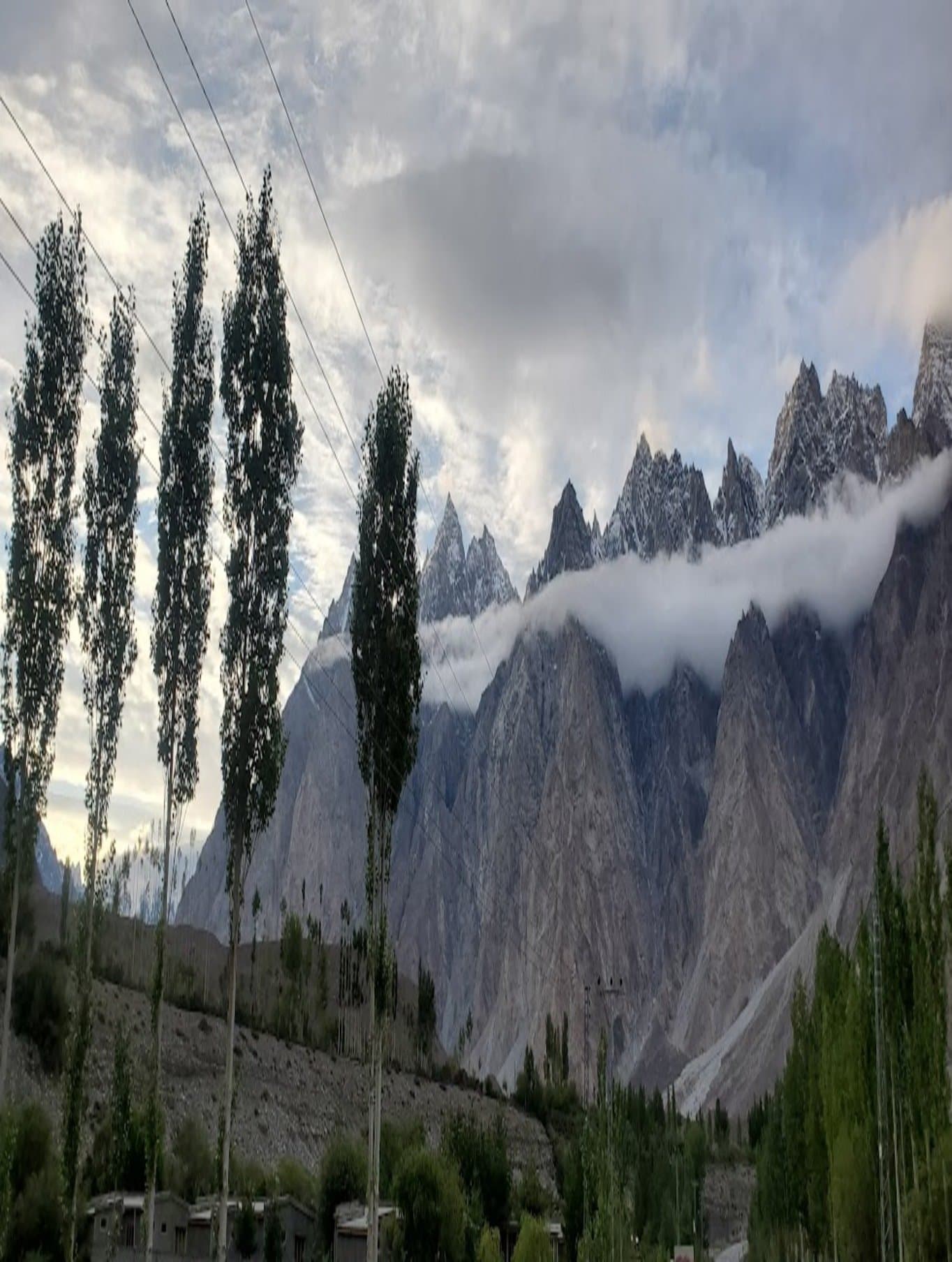
Hunza Valley is more than a visual paradise — it's a mineralogical marvel. The region's unique tectonic activity and high-altitude environment create the ideal conditions for the formation of rare minerals like aquamarine, topaz, tourmaline, and mica. These processes take millions of years, involving heat, pressure, and fluid dynamics deep within the Earth. Each mineral formation tells a story of geological transformation and natural beauty.
Pegmatites: Nature's Crystal-Growing Chambers
Many of the gem-quality crystals found in Gilgit-Baltistan — aquamarine, tourmaline, topaz, and mica among them — form in pegmatites: coarse-grained igneous rock bodies that crystallize from the last, most water- and mineral-rich portion of a cooling granite magma. Because this residual fluid is rich in rare elements and slow to solidify, individual crystals can grow far larger and more transparent than they would in ordinary granite.
The Karakoram range's intense tectonic history — a product of the Indian and Eurasian plates colliding — has fractured and folded the crust extensively, creating countless pathways for these mineral-rich fluids to collect and crystallize, which is part of why the region produces such a wide diversity of gem minerals in a relatively small area.