Mineral Formation
Secrets Beneath the Surface: How Hunza's Minerals Are Formed
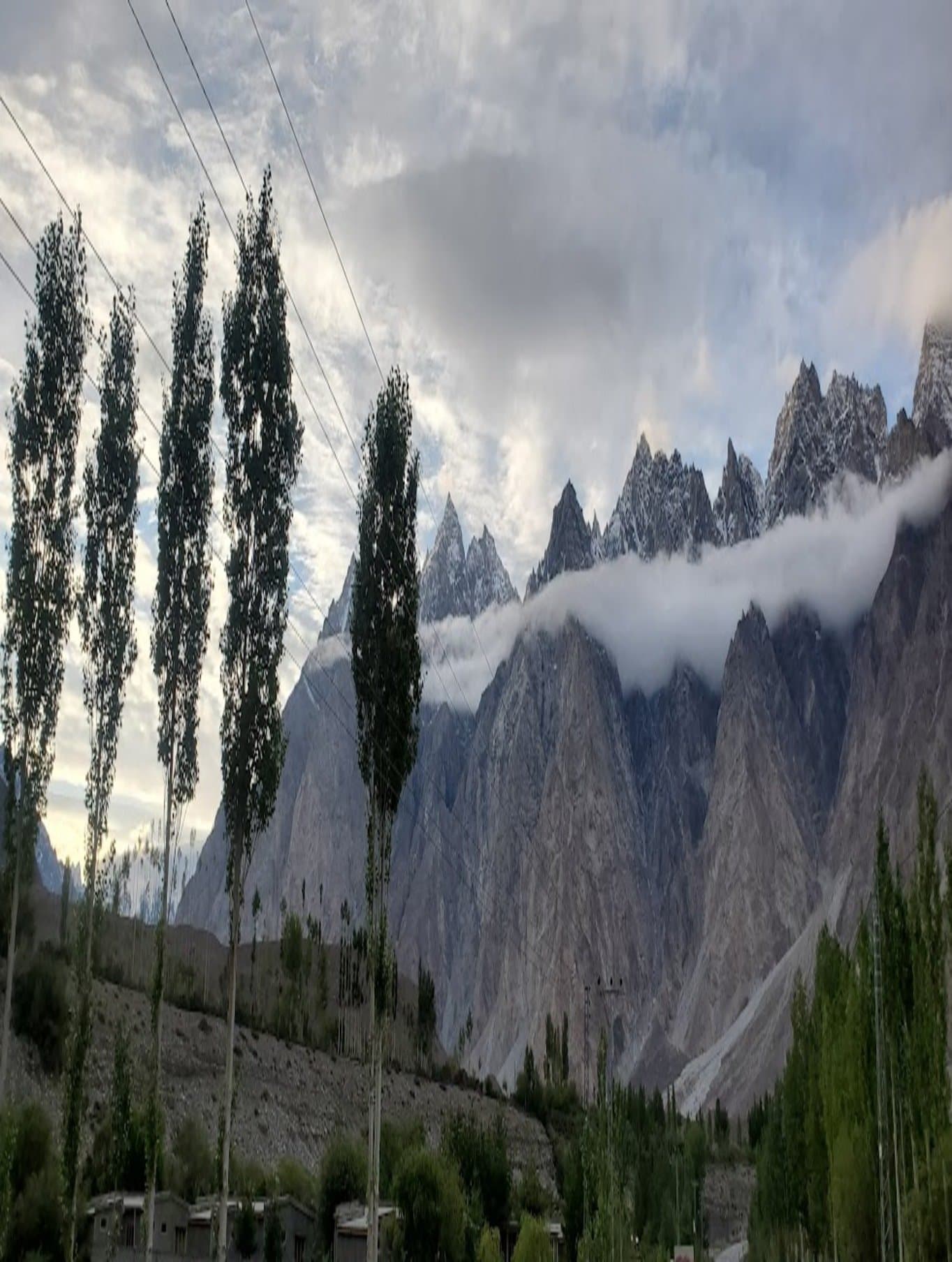
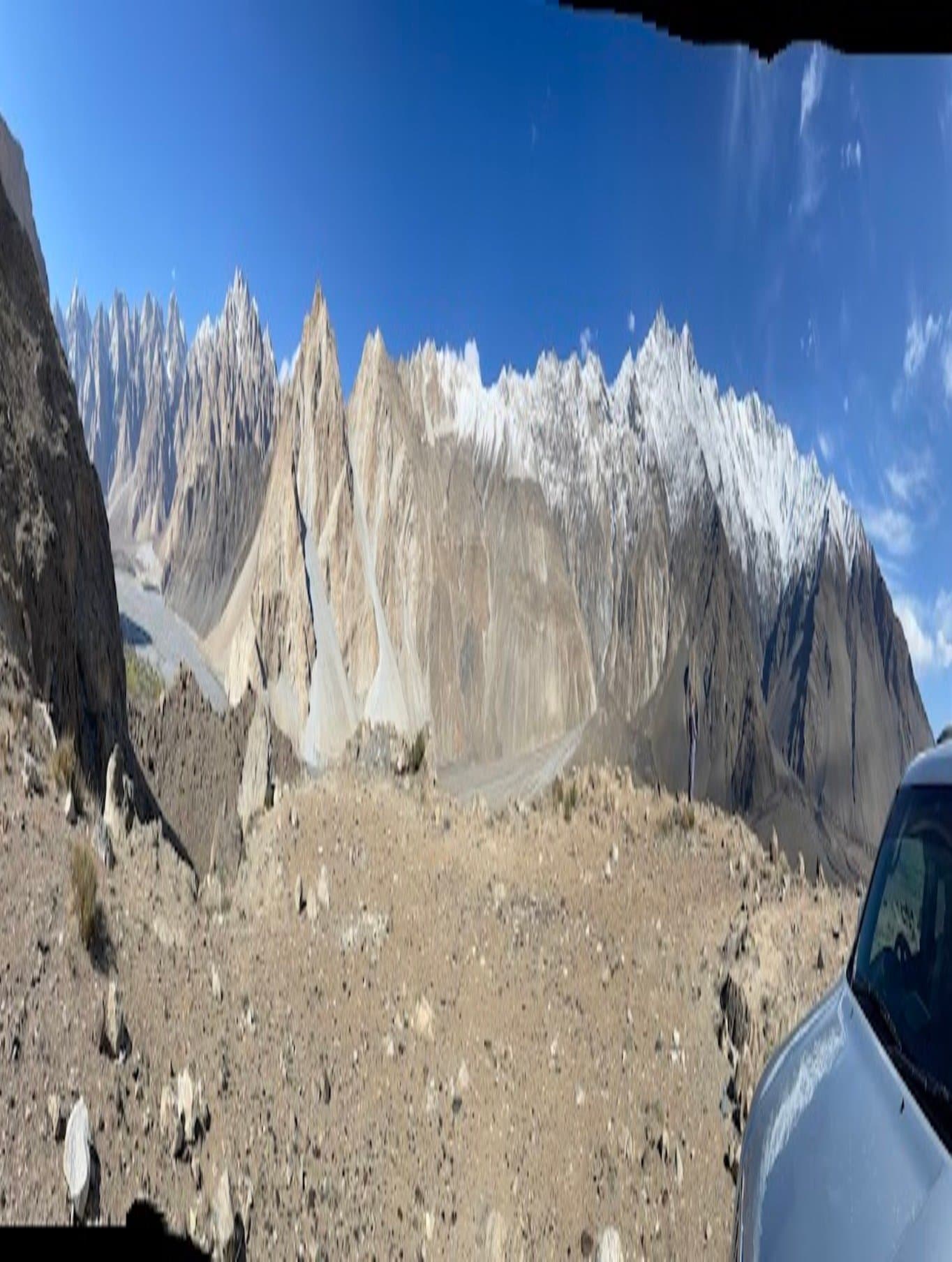
The mountains of Gilgit-Baltistan aren't just visually majestic — they're a geological archive, home to some of the rarest and most beautiful mineral formations in the world. The region's unique mineralogy is shaped by intense heat, pressure, and fluid interactions beneath the Earth's crust. Whether it's aquamarine crystals formed in high-altitude pegmatites or mica layered in gleaming sheets, each mineral tells a story of time, transformation, and terrain.
Sheet Silicates and Slow Crystallization
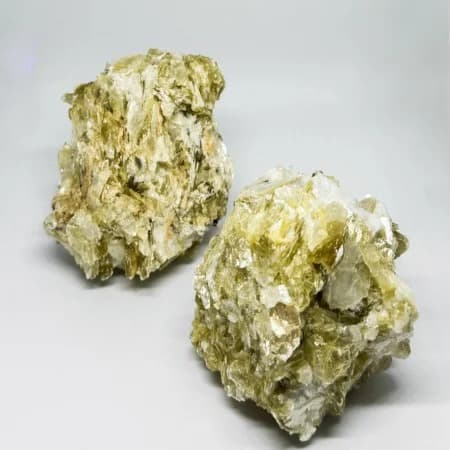
Mica — muscovite and biotite being the two most common varieties in this region — belongs to a family of minerals called phyllosilicates, built from stacked sheets of silicate tetrahedra that are only weakly bonded to one another. That structure is what gives mica its signature property: it splits into thin, flexible, almost transparent sheets along perfect basal cleavage planes. Like the region's beryl and tourmaline, mica typically crystallizes in granite pegmatites and in metamorphic schists, growing slowly as the surrounding rock cools over geological timescales.