Regional Geology
Why Gilgit-Baltistan is a Geological Treasure Trove
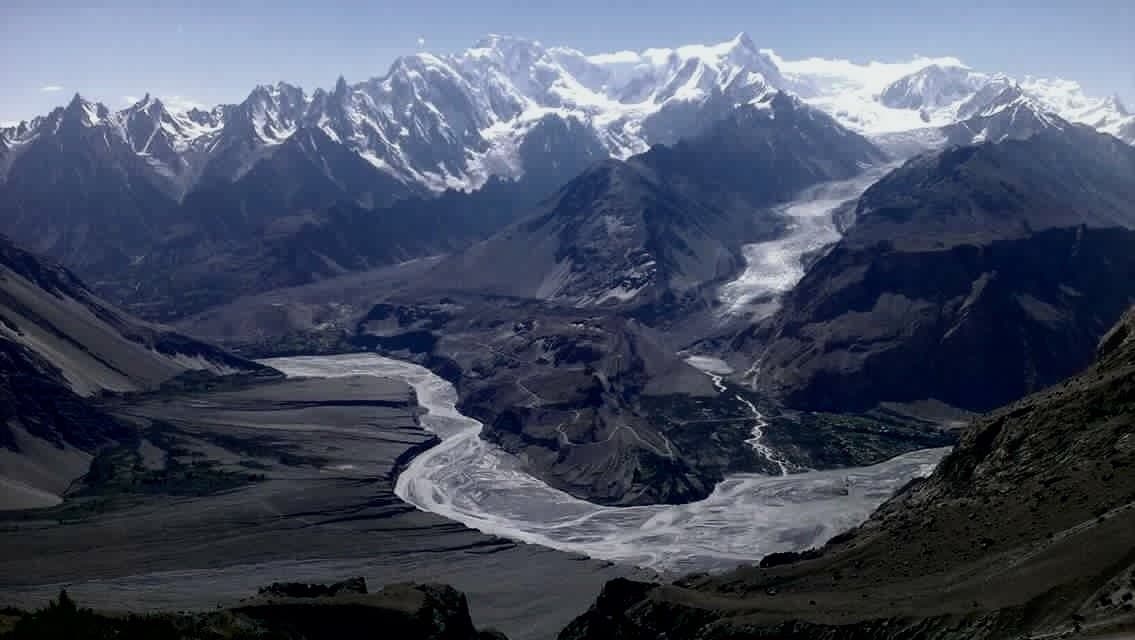
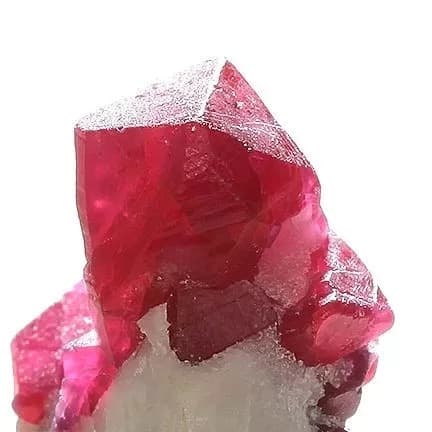
Gilgit-Baltistan lies at the confluence of the Karakoram, Himalayas, and Hindu Kush — making it one of the most geologically dynamic places on Earth. This collision of tectonic plates results in a variety of mineral deposits, from rubies formed in marble to alluvial gold shaped by glacial streams. These geological forces not only sculpted breathtaking landscapes but also infused the region with a richness unseen elsewhere.
A Rare Meeting Point of Mountain Ranges
Few places on Earth sit at the junction of three major mountain systems the way Gilgit-Baltistan does. This convergence is a direct result of the Indian tectonic plate driving north into the Eurasian plate over tens of millions of years — the same collision that continues to raise the Himalaya today. The resulting compression, faulting, and metamorphism exposed an unusually wide range of rock types at the surface, from ancient marble to granite pegmatite, each capable of hosting a different family of minerals.
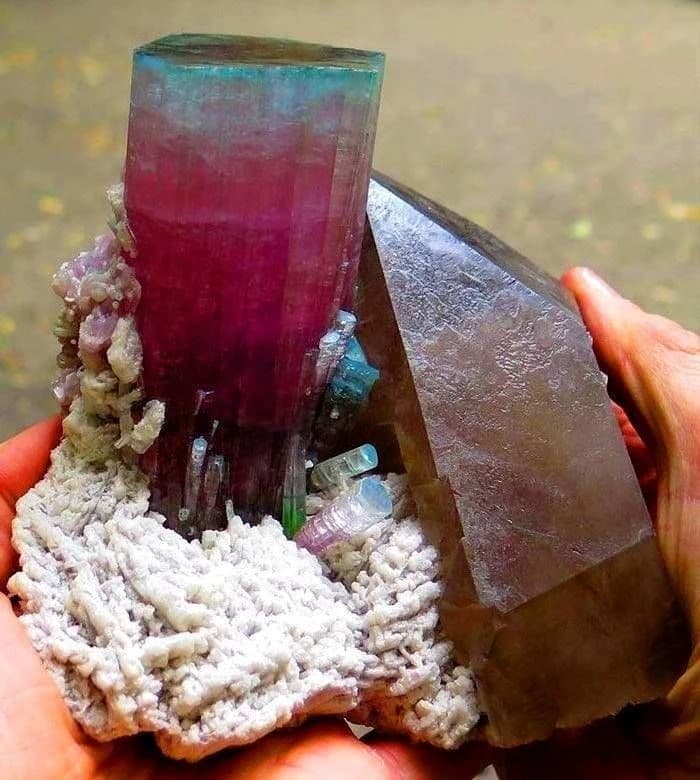
That geological diversity is precisely why the region is associated with such a broad mineral inventory: corundum (ruby) in metamorphosed marble, beryl (aquamarine) and tourmaline in granite pegmatites, and gold concentrated by glacial rivers eroding mineralized bedrock upstream.