Regional Geology
Where Mountains Collide: The Geological Powerhouse of Gilgit-Baltistan
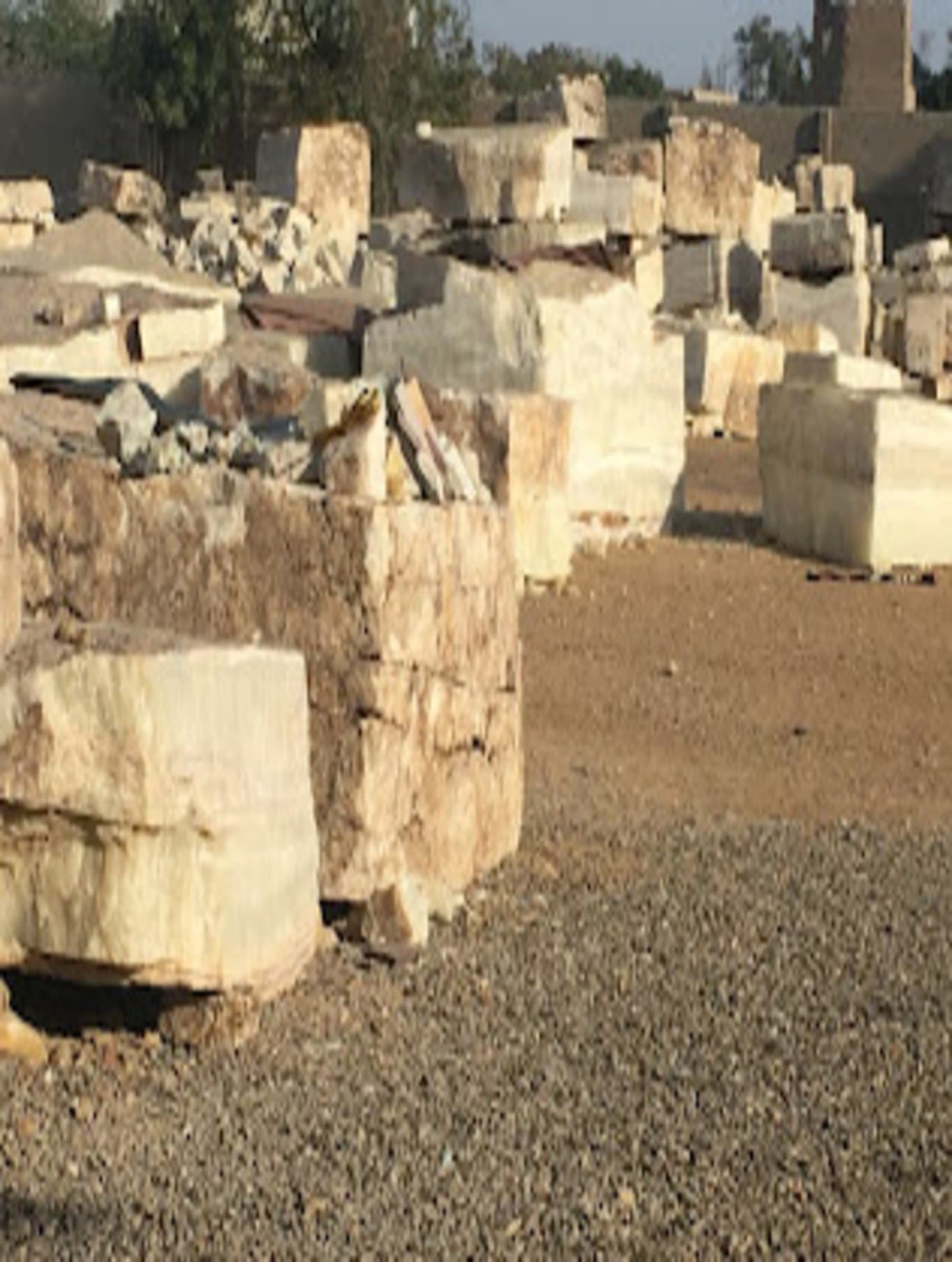
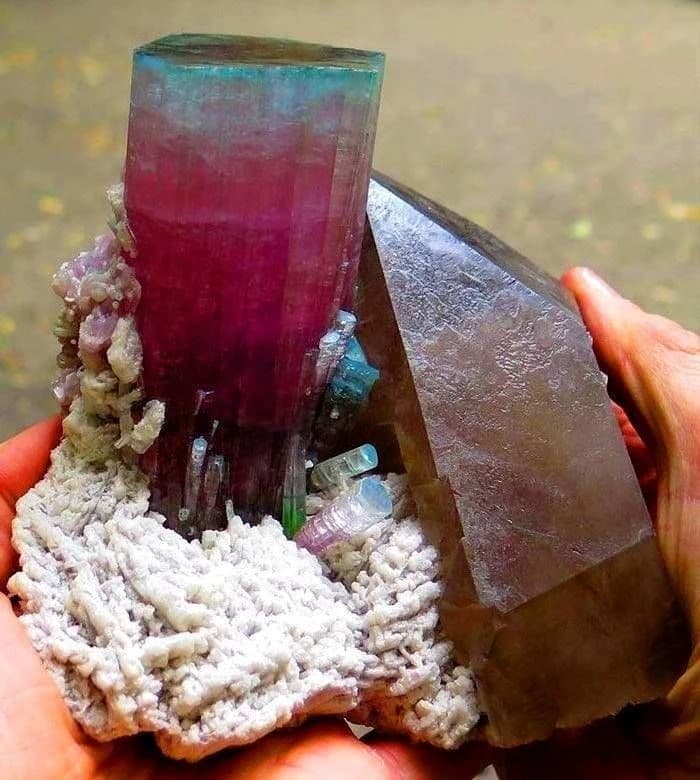
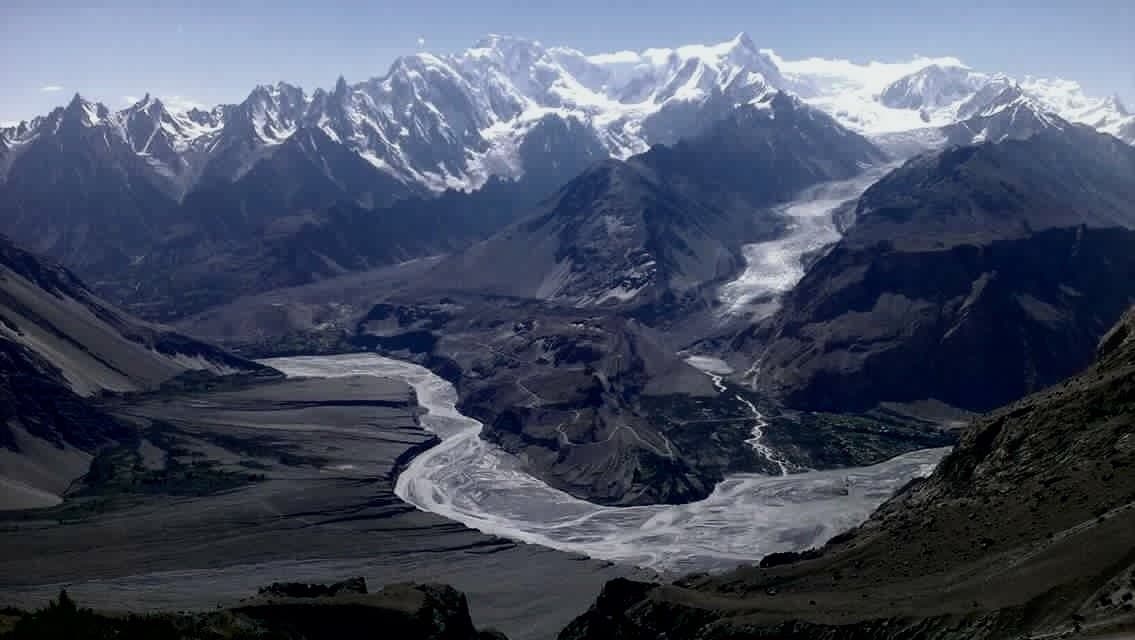
Gilgit-Baltistan sits at the tectonic crossroads of the Himalayas, Karakoram, and Hindu Kush — three colossal mountain ranges whose collision has sculpted a landscape filled with rare gemstones and metals. These geological forces gave rise to marble-rich ruby deposits, crystal-lined pegmatite veins, and mineral-rich riverbeds.
Marble, Metamorphism, and Ruby
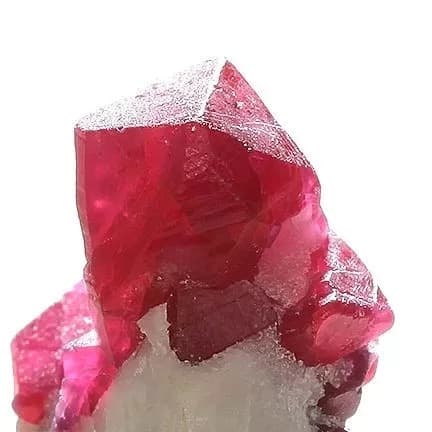
Ruby is a variety of the mineral corundum colored red by trace chromium. Some of the world's most notable ruby deposits — including those associated with the Hunza Valley — form when impure limestone is subjected to intense heat and pressure during mountain-building (regional metamorphism), recrystallizing into marble under chemical conditions that allow chromium-bearing corundum to grow. It's a geological setting shared with other historic marble-hosted ruby localities elsewhere in the world, and it's a direct consequence of the same plate collision that continues to push the Karakoram and Himalaya skyward.